Skip to content
Matt Skala
All case studies

footasylum

Enterprise Redesign & Architecture

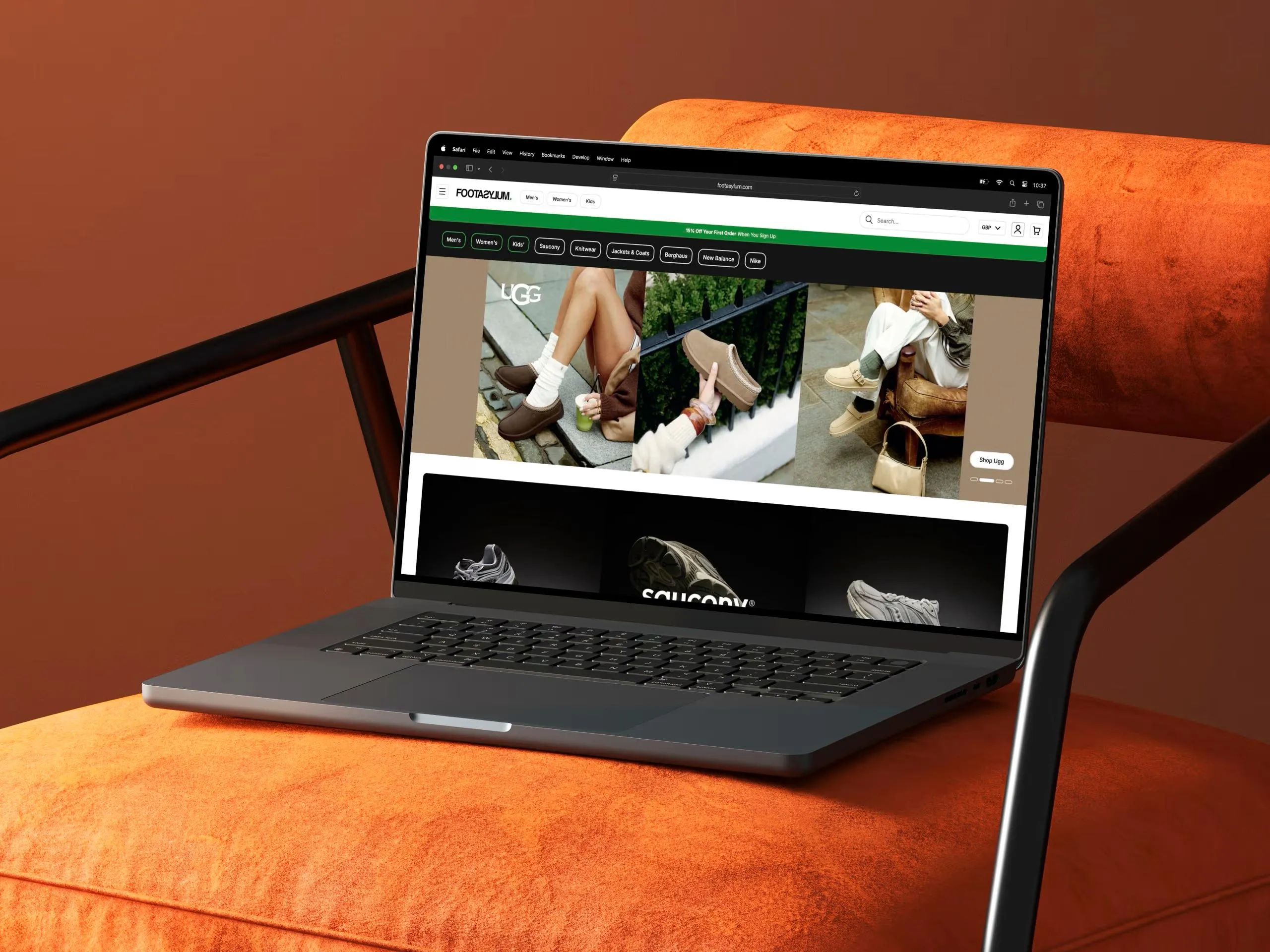
Footasylum storefront homepage displayed on a laptop

+7.3% add-to-cart

One of the UK's biggest streetwear stores, rebuilt.

lighter pages
~70%
lighter pages
faster key pages (up to)
35%
faster key pages (up to)
visits a month
13M+
visits a month

A full rebuild of one of the UK's biggest streetwear retailers, a site with 13M+ visits a month. I built the parts shoppers actually touch: browsing, product pages, the basket and the store finder.

The brief

Footasylum rebuilt its entire storefront from the ground up. Every template, from the homepage to checkout, moved onto a headless stack: a commerce platform running products and content behind the scenes, with a custom Next.js front end on top.

The goal was a site that loads fast, scales for big drops and sale days, and gives the trading team control without waiting on developers.

My part

As a senior developer at Footasylum, I worked on the rebuild alongside the team building its commerce platform. My focus was the parts of the site that decide whether someone buys:

  • Product listings: filtering and sorting shared across category and search, updating instantly and rolling back cleanly if a request fails.
  • Product pages: a sticky add-to-bag card with the size guide close by, plus 'style it with', upsells and personalised recommendations.
  • Basket: save for later, so shoppers don't have to choose between checking out and losing an item.
  • Store finder: list and map views, live open or closed status, and a page for every store.
  • Speed: pages around 70% lighter than the old site, from 16.5MB down to 4.7MB. Server rendering and Redis caching make key pages 20–35% faster, the main product image loads first, and icons come from one shared set instead of being repeated on every page.
  • Monitoring: Sentry and OpenTelemetry, so a production issue gets diagnosed in minutes, not hours.

The result

A storefront built to sell. Add-to-cart rate rose 7.3%, with the product page and listing changes doing the heavy lifting.

And one that's quick to load. Pages are around 70% lighter than the old site, and key pages load 20–35% faster, for a store that handles 13M+ visits a month.

Leading the rebuild

I co-led the move from legacy Webpack page islands to one Next.js 16 storefront, now live from homepage to purchase. Alongside the build:

  • Top contributor to the rebuild, with 115+ merged PRs.
  • Code reviewer and mentor for the junior and mid-weight developers.
  • Modernised the UI stack with TypeScript, React 19 and Tailwind, and built a reusable storewide component library.
  • Server-side rendering and Redis caching, with cache invalidation built into every deploy.
  • Automated tests with the Node test runner for caching, routing, security headers and the mega menu, and contributions to Docker, GitHub Actions and Azure releases.
Skip to content
Matt SkalaSenior frontend developer at Footasylum

footasylum

Enterprise Redesign & Architecture

Footasylum storefront homepage displayed on a laptop

A full rebuild of one of the UK's biggest streetwear retailers, a site with 13M+ visits a month. I built the parts shoppers actually touch: browsing, product pages, the basket and the store finder.

Key results

+7.3%
add-to-cart rate
~70%
lighter pages
35%
faster key pages (up to)
13M+
visits a month

Details

Client
Footasylum
Industry
Fashion retail
Year
2026
Platform
Next.js, headless commerce
Services
Senior development
Role
Senior Frontend Developer; co-led the rebuild
Stack
Next.js 16, React 19, TypeScript, Tailwind, Redis, Sentry, OpenTelemetry, Docker, GitHub Actions, Azure

The brief

Footasylum rebuilt its entire storefront from the ground up. Every template, from the homepage to checkout, moved onto a headless stack: a commerce platform running products and content behind the scenes, with a custom Next.js front end on top.

The goal was a site that loads fast, scales for big drops and sale days, and gives the trading team control without waiting on developers.

My part

As a senior developer at Footasylum, I worked on the rebuild alongside the team building its commerce platform. My focus was the parts of the site that decide whether someone buys:

  • Product listings: filtering and sorting shared across category and search, updating instantly and rolling back cleanly if a request fails.
  • Product pages: a sticky add-to-bag card with the size guide close by, plus 'style it with', upsells and personalised recommendations.
  • Basket: save for later, so shoppers don't have to choose between checking out and losing an item.
  • Store finder: list and map views, live open or closed status, and a page for every store.
  • Speed: pages around 70% lighter than the old site, from 16.5MB down to 4.7MB. Server rendering and Redis caching make key pages 20–35% faster, the main product image loads first, and icons come from one shared set instead of being repeated on every page.
  • Monitoring: Sentry and OpenTelemetry, so a production issue gets diagnosed in minutes, not hours.

The result

A storefront built to sell. Add-to-cart rate rose 7.3%, with the product page and listing changes doing the heavy lifting.

And one that's quick to load. Pages are around 70% lighter than the old site, and key pages load 20–35% faster, for a store that handles 13M+ visits a month.

Leading the rebuild

I co-led the move from legacy Webpack page islands to one Next.js 16 storefront, now live from homepage to purchase. Alongside the build:

  • Top contributor to the rebuild, with 115+ merged PRs.
  • Code reviewer and mentor for the junior and mid-weight developers.
  • Modernised the UI stack with TypeScript, React 19 and Tailwind, and built a reusable storewide component library.
  • Server-side rendering and Redis caching, with cache invalidation built into every deploy.
  • Automated tests with the Node test runner for caching, routing, security headers and the mega menu, and contributions to Docker, GitHub Actions and Azure releases.

Next: sevenstore